Micro-choreographies form the starting point of Van Oeckel's artistic practice; researching the ways in which movement can be preserved and translated into other forms. What initially began as a series of short choreographic sequences has evolved into a practice in which movement shifts from the body to a variety of media.
Through motion capture, choreographies are recorded as digital data and subsequently translated into sculptural forms. The 3D-printed works, executed in materials such as sand or porcelain plaster, function as material traces of movements that can no longer be performed live.
The same movement data also forms the base for a series of matrix prints. Here, choreographies appear as abstract patterns of code, recording and imprint. The works balance between notation system, archival document and physical trace, and rise the question of how movement can remain visible within systems of storage and reproduction.
In collaboration with post-motion studio Uncanny, various micro choreographies were also translated into a virtual environment. Through VR, visitors enter a digital space in which movement persists without a physical body. The choreography appears as a constantly transforming sculpture, somewhere between presence, memory and abstraction.
Together, these works constitute an exploration of choreography as something that is not limited to the physical body, but can be embedded in objects, images, data and spatial environments.
*contact for purchase
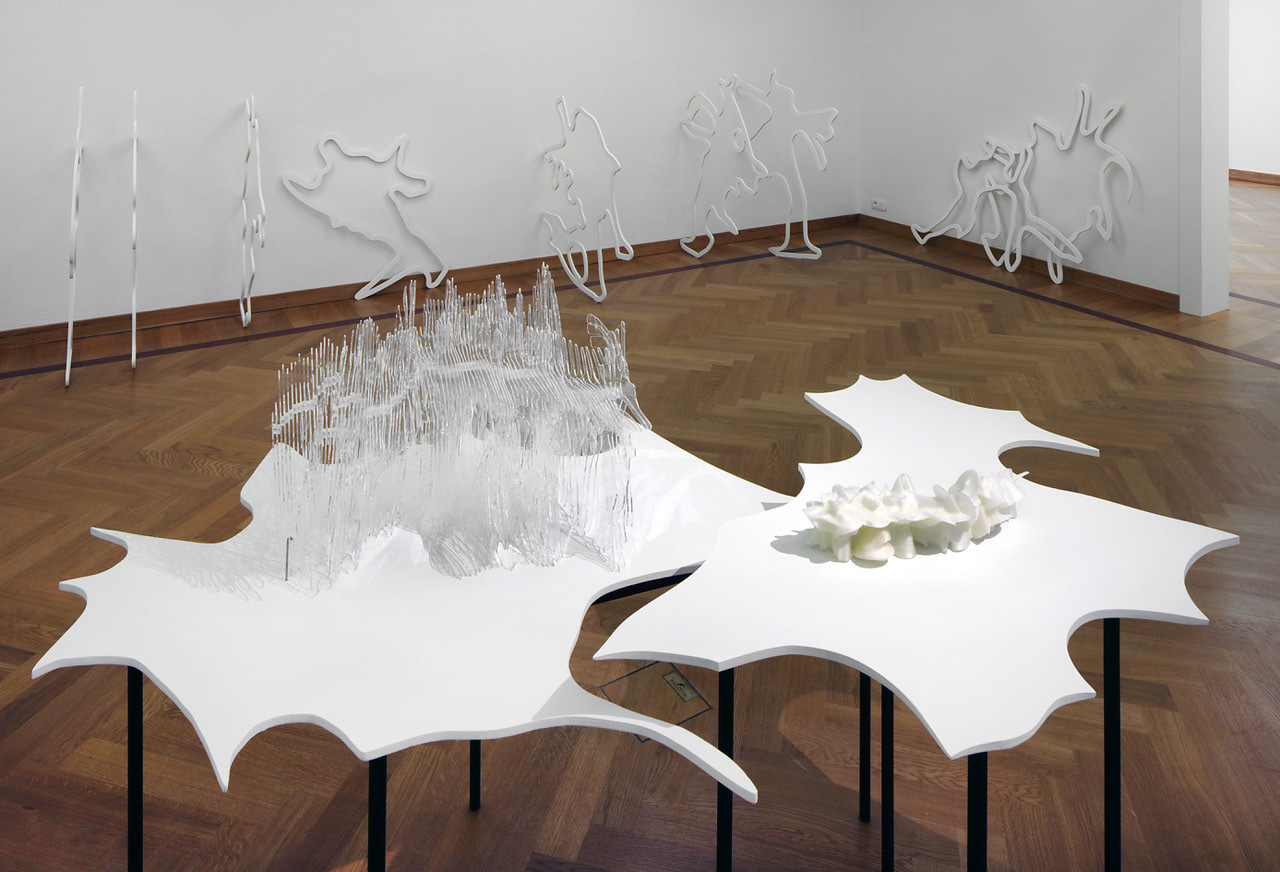
Zaalzicht M-residentie Judith Van Oeckel © Philip Dujardin voor M Leuven
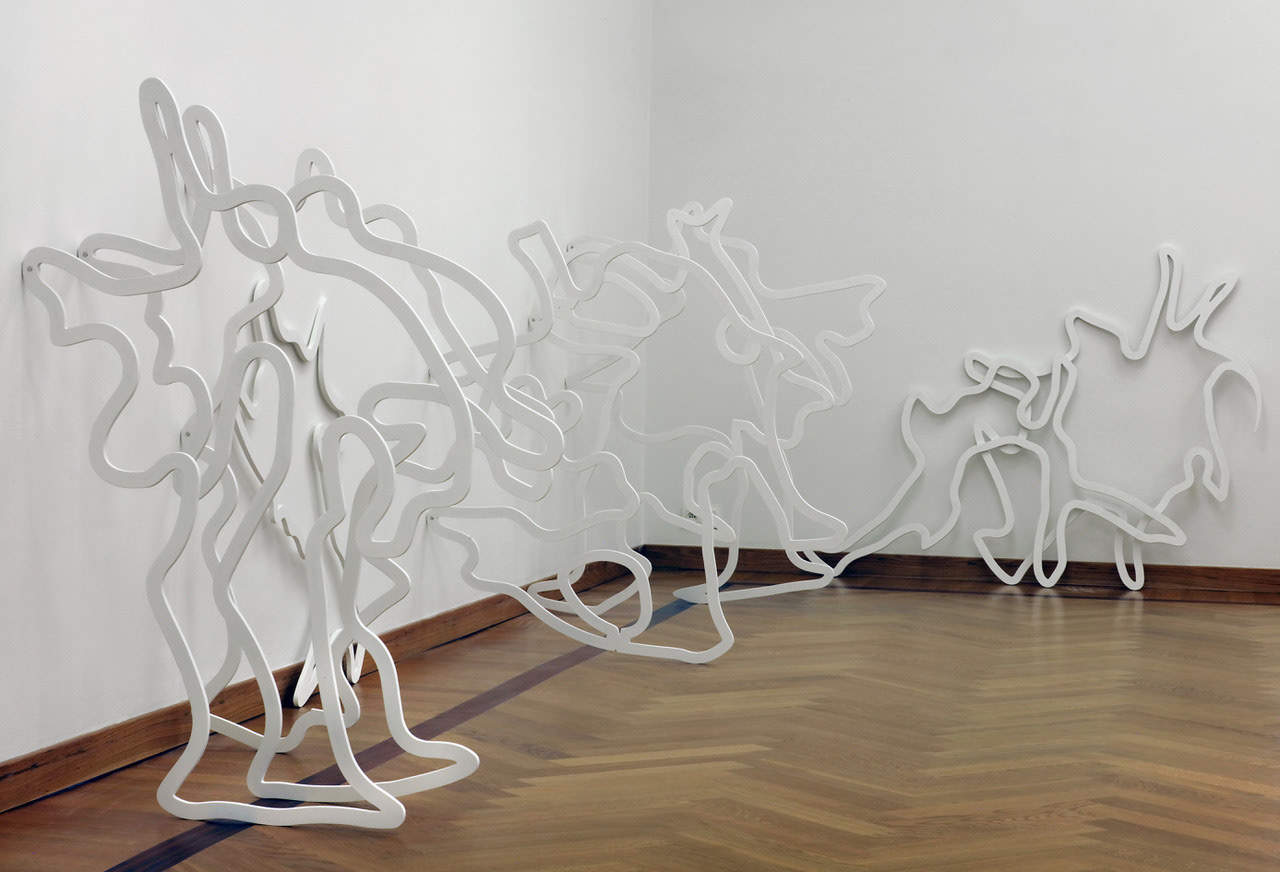
Zaalzicht M-residentie Judith Van Oeckel © Philip Dujardin voor M Leuven
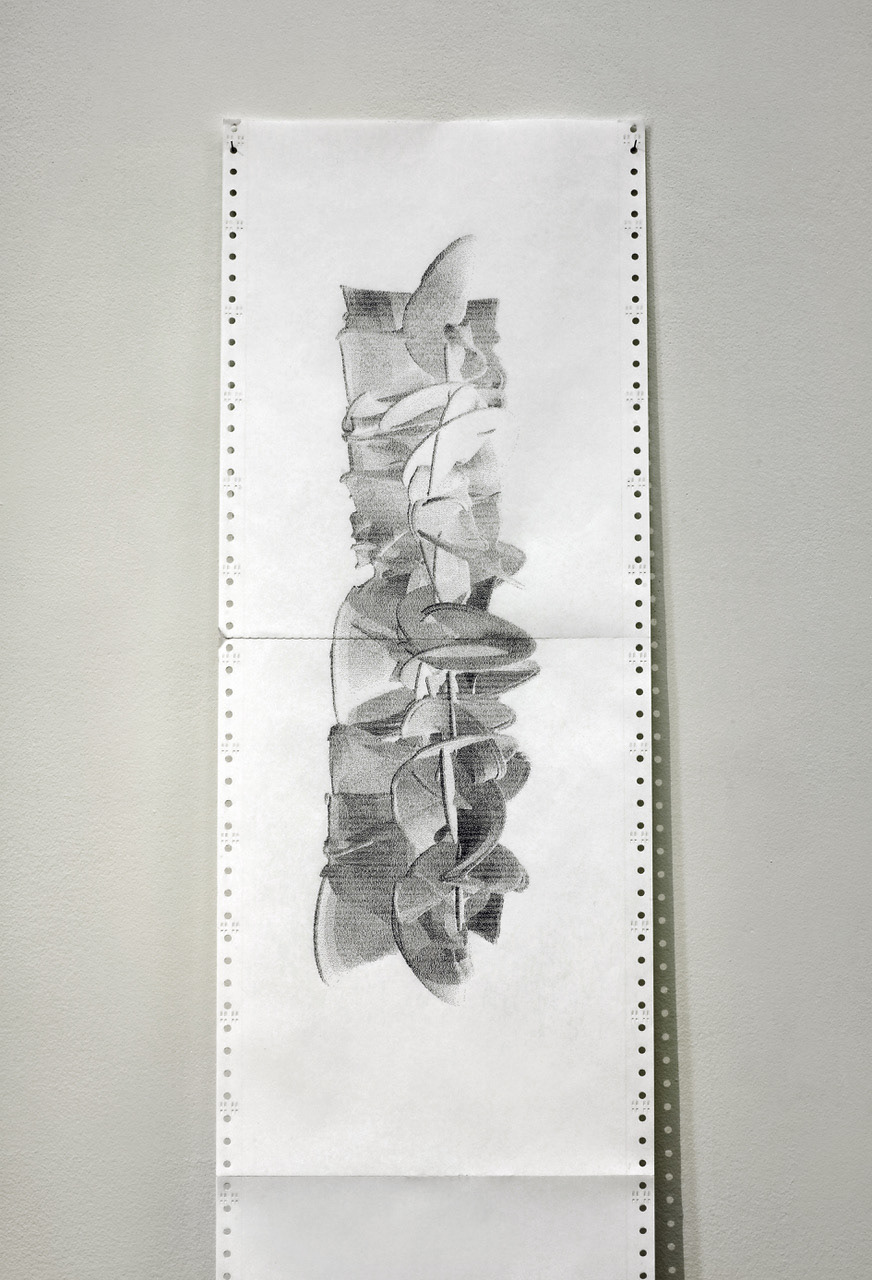
Zaalzicht M-residentie Judith Van Oeckel © Philip Dujardin voor M Leuven
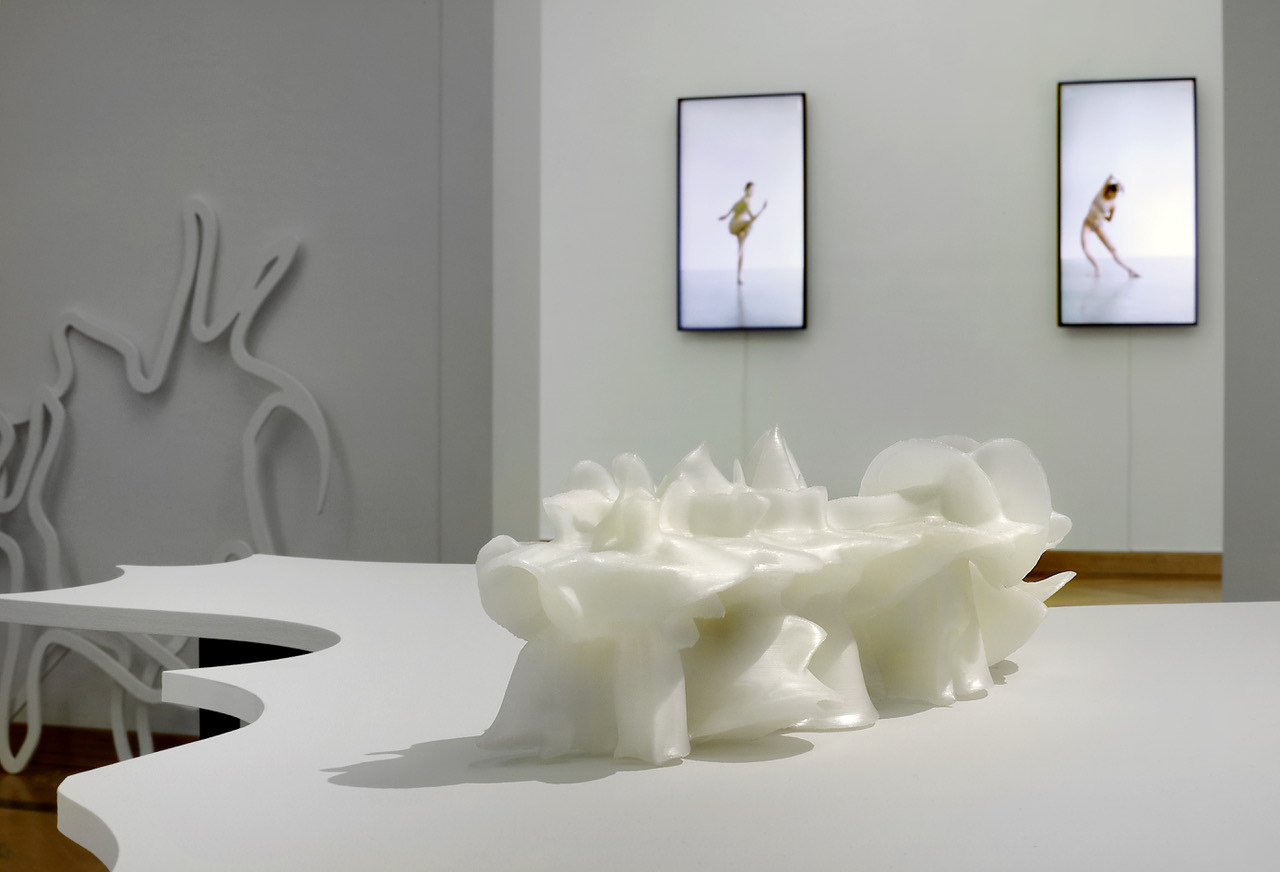
Zaalzicht M-residentie Judith Van Oeckel © Philip Dujardin voor M Leuven
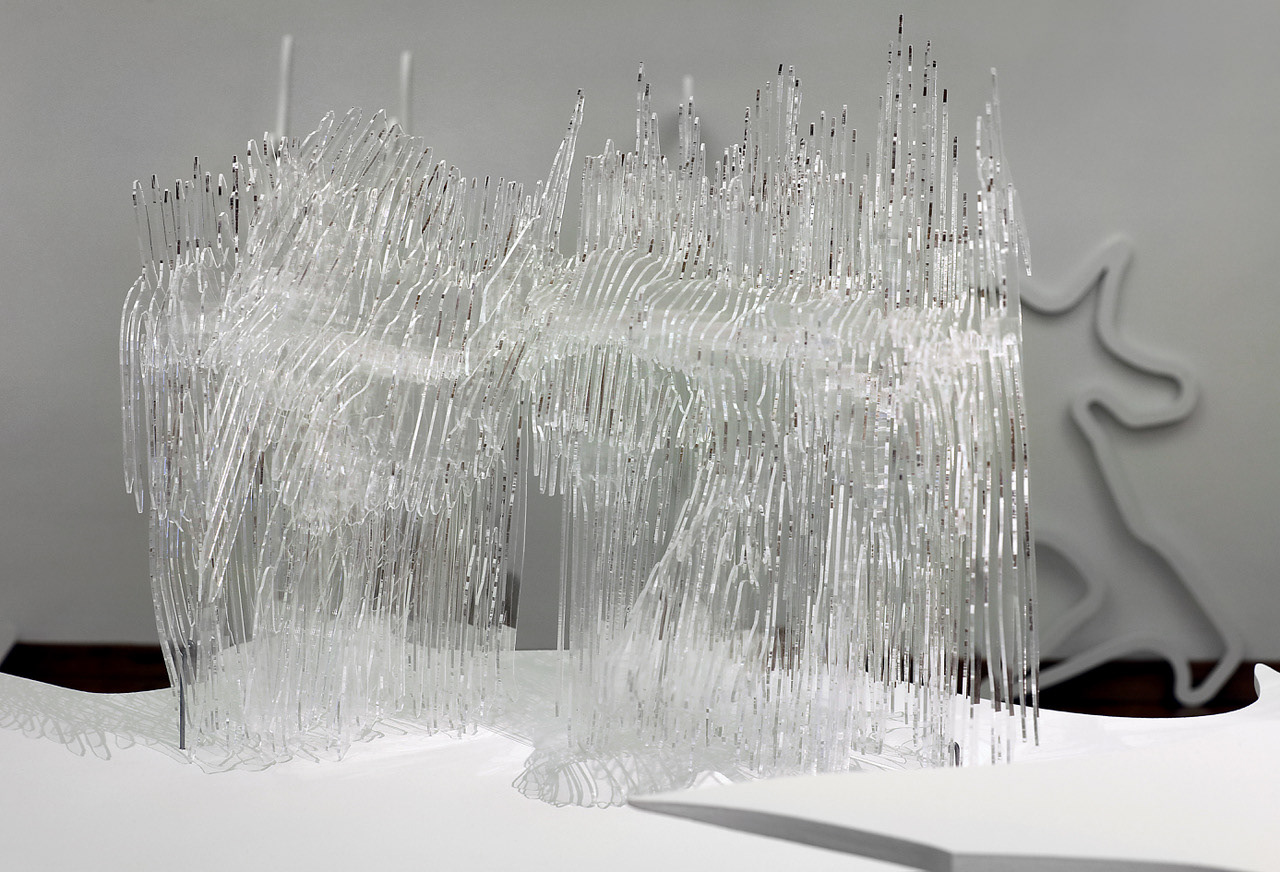
Zaalzicht M-residentie Judith Van Oeckel © Philip Dujardin voor M Leuven
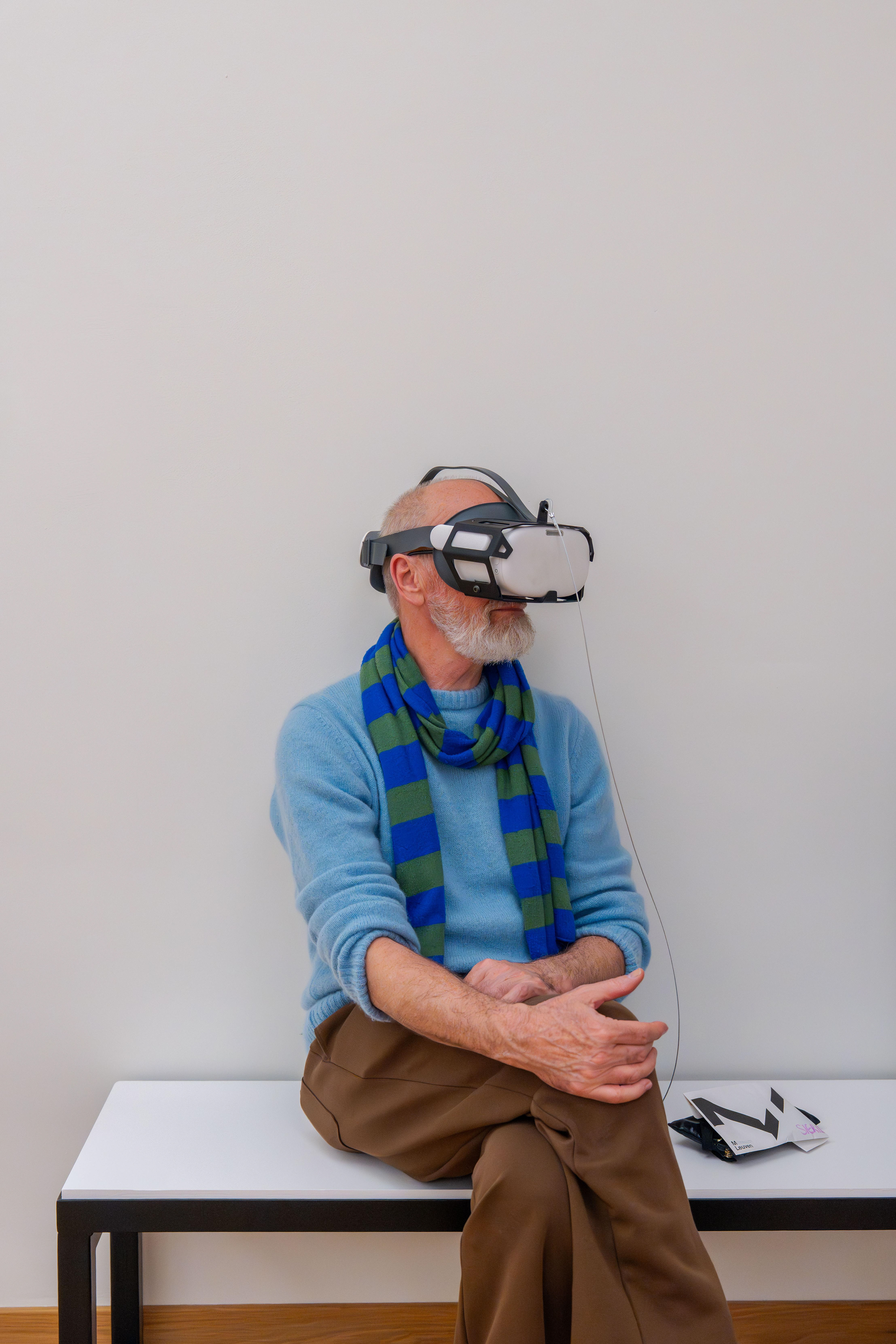
Opening M-residentie Judith Van Oeckel © Elias Derboven voor M Leuven
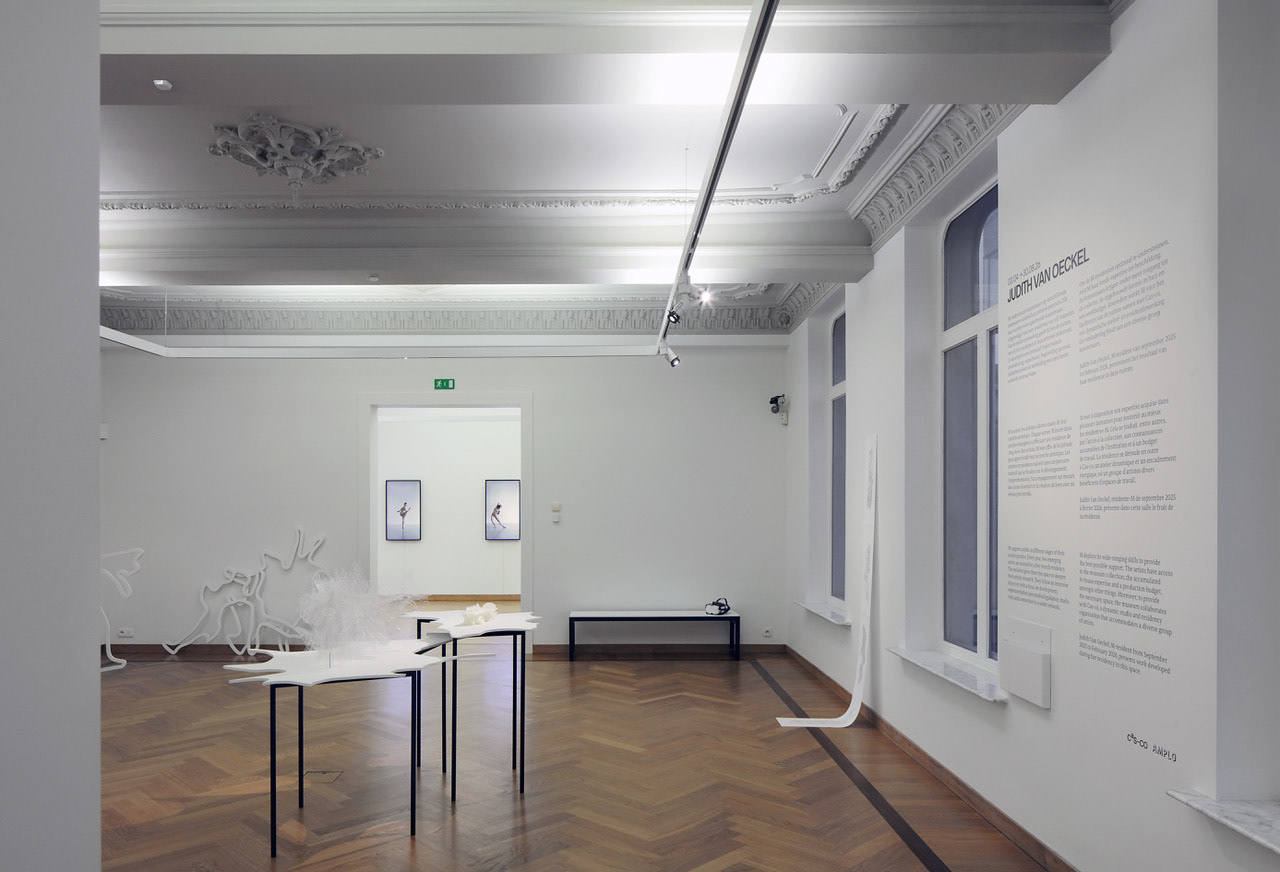
Zaalzicht M-residentie Judith Van Oeckel © Philip Dujardin voor M Leuven